Temperance
Black BeautyTemperance is more than abstention in Black Beauty: it is a hard-won form of self-command that shapes a working man’s daily choices and can spare others the consequences of drink. Through Jerry Barker’s habits and his account of recovery, the narrative sets a cup of coffee, a meal, and support at home against alcohol’s false comfort and destructive reach.
Daily Work and the Choice of Temperance
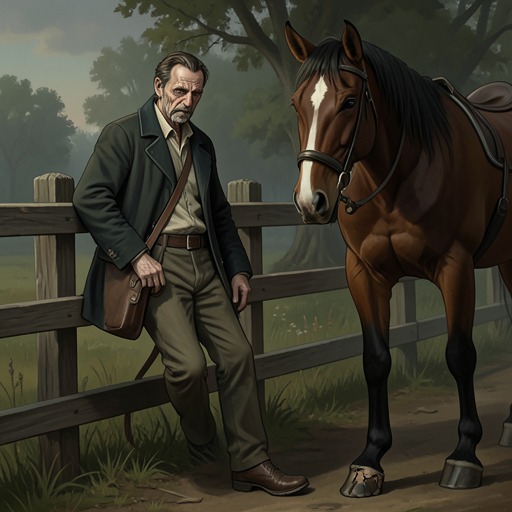
During a winter of persistent rain, sleet, snow, and bitter winds, cabmen faced long hours waiting outdoors. Their horses could return to dry stables after working half the day, but the men might remain on their boxes until one or two in the morning, waiting for passengers. Some sought shelter in a nearby tavern and paid for drink, a choice that could cost them a fare as well as money. Jerry instead avoided the Rising Sun. He sometimes went to a nearby coffee shop or bought hot coffee and pies from an old man who visited the cab rank.
Jerry regarded spirits and beer not as protection from cold but as something that made a person colder afterward. In his view, dry clothes, good food, cheerfulness, and the comfort of home offered better support through harsh weather. Polly Barker helped put that conviction into practice: when Jerry could not get home, she sent him food, sometimes with their daughter, Dolly Barker. On one cold, windy day, Dolly brought him a basin of hot food while he was working. The scene makes temperance tangible as an alternative sustained by care and ordinary provisions, not simply by refusing a drink. Jerry was willing to keep working, but he did not treat drinking as the price of enduring the cold.
That everyday discipline also gives Jerry grounds to speak plainly when another cabman admits that he is not his own master. Jerry does not present abstinence as effortless or as proof of innate superiority. He distinguishes his experience from drunkenness: he had not got drunk, yet the craving could still make it difficult to say no. Temperance, as his account defines it, is therefore not merely respectable conduct visible from the outside; it is a struggle over whether a person can govern his own actions when the desire to drink returns.
Dependence, Responsibility, and the Decision to Stop
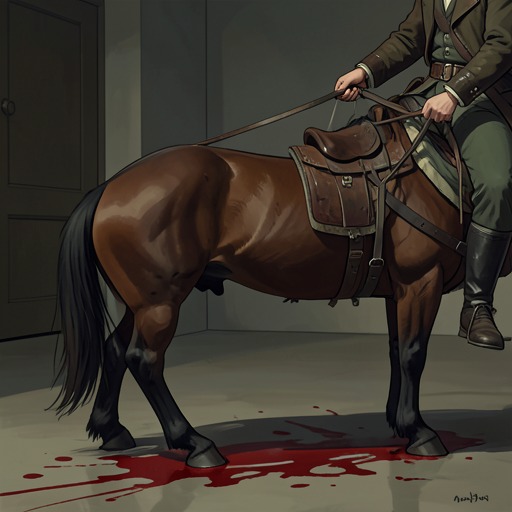
The consequences of drinking become immediate when a drunken drayman’s vehicle crashes into Jerry Barker’s cab. The collision tears off both wheels and overturns the cab; Captain is dragged down, a splintered shaft pierces his side, and Jerry is thrown clear with bruises. Though the drayman is fined and the brewer ordered to pay damages to Jerry’s employer, no compensation can restore Captain’s health or undo the distress and lost time. Jerry regards the old horse as a trusted friend, not a replaceable source of income, and rejects the suggestion that Captain might be sold into cart work. Faced with the likelihood that the injured horse will not recover enough for cab work, Jerry chooses euthanasia rather than risk sending him into further hardship. The episode makes the harm of alcohol larger than the drinker’s private condition: an intoxicated stranger’s actions leave an innocent horse to suffer and others to bear losses that money cannot repair.
Jerry’s anger at drink becomes a direct appeal to Governor Grant, who acknowledges his own dependence. Grant recalls that he once tried to stop for only two days and felt he could not endure it. Jerry answers with an account of a longer struggle: for several weeks he had to resist the craving, despite never having become drunk. The distinction matters to his testimony. Dependence, he explains, had already compromised his self-command before it produced visible drunkenness; the craving itself made refusal difficult.
His recovery depends on practical measures and help from home. Polly Barker takes care to provide good food, while Jerry turns to coffee, peppermint, or reading when the craving returns. He also repeats reminders that connect continued drinking with the possible loss of his soul and the breaking of Polly’s heart. These efforts do not make the struggle effortless; they give it supports and stakes, joining bodily alternatives, a deliberate change of attention, religious resolve, and marital care. Jerry credits both God and Polly in describing the habit as broken, and says that he has not tasted alcohol for ten years and no longer wishes to do so.
The change also turns Jerry’s recovery into an example he offers to Grant and to other men at the cab rank who would like to avoid the tavern. Grant says he has a great mind to try, recognizing that dependence means not being one’s own master. Jerry encourages him and points to the possible effect of a cabman visibly living without drink. Temperance thus moves from personal abstinence toward mutual influence: Jerry speaks not as someone who found the process easy, but as someone who can testify that a difficult habit can be resisted and that his example may help others begin.
Death, Bereavement, and the Bodily Cost of Drink
The consequences of alcohol extend beyond the cab rank into the household left behind by Reuben Smith. After his fatal ride, an inquest heard that he had been intoxicated when he set out from the White Lion; the toll-gate keeper also testified that he galloped through the gate, and Black Beauty’s shoe was found among the stones. Together, these details made the circumstances plain and cleared the horse of blame. Drink here is not an abstract vice: it is part of the chain of circumstances surrounding a sudden death.
Susan’s grief turns that chain into a lasting social cost. She repeatedly lamented that drink had taken Reuben, and after his burial she and their six children, without a home or relations to support them, had to leave their pleasant house beneath the tall oak trees for the Union House. The contrast between that home and the institution they entered makes the consequences of drinking reach beyond the person who drinks, falling upon a bereaved family with no means of protection.
The novel also connects abstinence with the possibility of surviving illness. When Jerry becomes dangerously ill with bronchitis and a high fever, Harry reports that the doctor believes his father has a better chance because he does not drink; had he been a drinking man, the fever might have overwhelmed him. This is presented as a judgment about Jerry’s particular condition, not a guarantee that virtue prevents illness. It nonetheless gives his long practice of abstinence a further consequence: temperance has shaped not only his conduct and his example to other cabmen, but also how his family and doctor understand his prospects when his health is at risk.
Temperance as Shared Responsibility
The narrative gives temperance its force by tracing what follows from choices about drink, rather than treating abstinence as a private badge of respectability. Reuben Smith’s death leaves Susan and six children without a home; the drunken drayman’s crash leaves Captain injured beyond useful cab work. Against these losses, Jerry’s account of resisting his own craving offers no promise that hardship can be avoided, but it shows how self-command can keep one person’s dependence from becoming another’s burden. His conversation with Governor Grant carries that lesson beyond himself: by making recovery speakable among the men at the rank, Jerry turns a difficult personal change into practical encouragement for others.